
Short Annapurna Circuit Trek: Complete Guide, Itinerary, Cost, Permits & Best Season
10th Sep, 2026
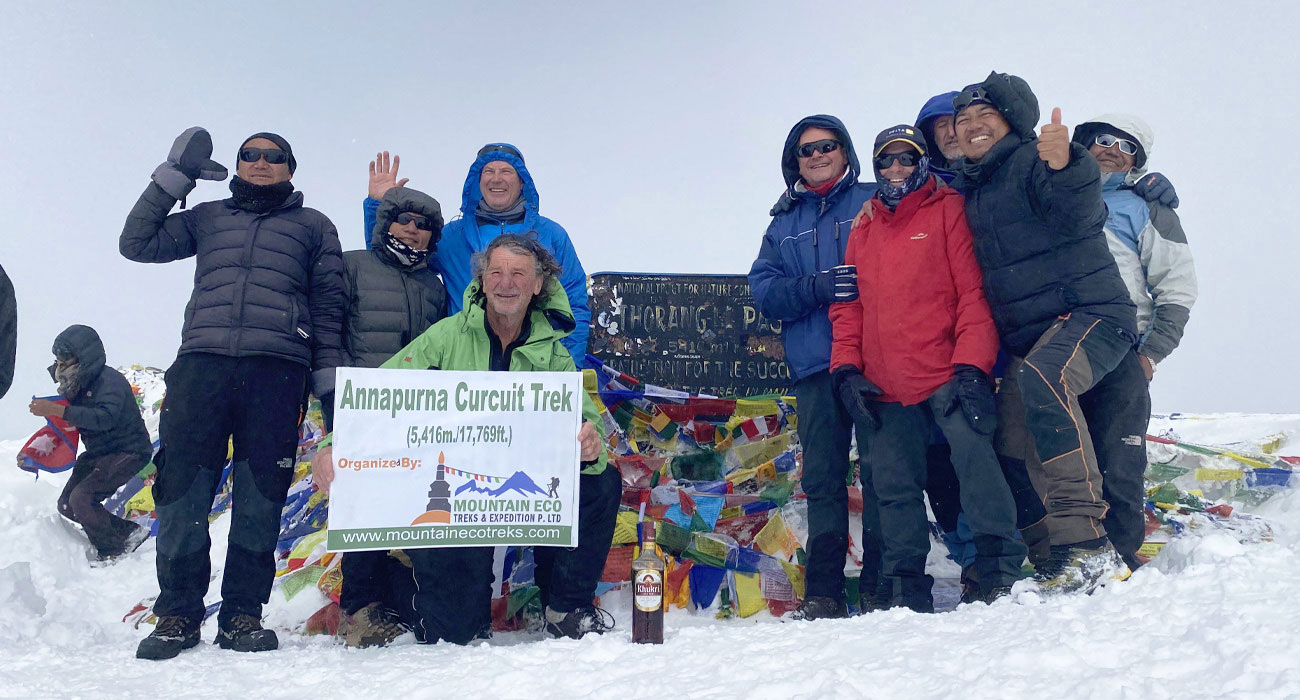
The Short Annapurna Circuit Trek is the perfect answer for travelers who want the magic of the full Annapurna Circuit — dramatic elevation changes, Thorong La Pass, Manang's high-desert villages, and the sacred temple of Muktinath — without committing two to three weeks of vacation time. Condensed into roughly 10–14 days, this shortened version keeps every iconic highlight of the classic route while cutting out the longer, less scenic lower sections, thanks to improved road access on both the Besisahar and Jomsom ends of the trail.
Table of Contents
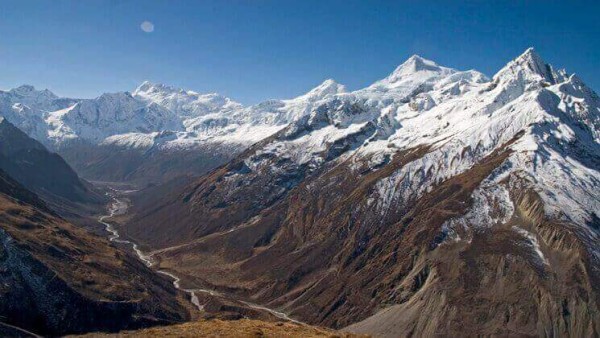
What makes this route special is how much contrast it packs into a short window. You'll walk through pine and rhododendron forest in the lower Marsyangdi valley, cross into the high, wind-swept desert landscape around Manang where the terrain and architecture start to echo the Tibetan plateau, and then push above 5,000 meters at Thorong La before descending into the dramatic Kali Gandaki gorge — the deepest in the world. Few treks in Nepal shift environments this dramatically in such a compressed timeframe, which is part of why the "short" circuit has become one of the most searched alternatives to the classic 18-day route.
It's also a trek that rewards preparation more than raw endurance. The Thorong La Pass crossing is the technical and physical crux of the trip, but with proper acclimatization days built in around Manang, most reasonably fit trekkers — not just seasoned mountaineers — complete it successfully every season.
Whether you're a first-time high-altitude trekker weighing your first big Himalayan trip, or a seasoned hiker who's already done Everest Base Camp or Langtang and is short on time for a return trip, this guide covers everything you need to know: itinerary, cost, permits, difficulty, best season, packing, and booking. You can view the full day-by-day itinerary, current departure dates, and book your trip directly on the Short Annapurna Circuit Trek page.
Why Choose the Short Annapurna Circuit Trek?
The original Annapurna Circuit Trek was once a 18–21 day journey starting from Besisahar. Over the past decade, road construction has extended vehicle access deep into the Marsyangdi and Kali Gandaki valleys, allowing trekkers to jeep past the lower, less scenic sections and start walking directly from higher trailheads like Chame, Koto, or Dharapani. The result is the Short Annapurna Circuit Trek — the same high-altitude drama, crossing the same 5,416m Thorong La Pass, in roughly half the time.
This makes it ideal for:
- Trekkers with limited vacation days (10–14 days total, including arrival/departure)
- First-timers who want a genuine high-altitude experience without an extended commitment
- Repeat visitors to Nepal who've already done Everest Base Camp or ABC and want a new challenge
- Anyone searching for "Annapurna Circuit short itinerary," "shortest Annapurna Circuit trek," or "Annapurna Circuit without Besisahar walk"
Trek Overview & Highlights
- Duration: 10–14 days (trek days: 8–10)
- Max Altitude: Thorong La Pass, 5,416m
- Trek Grade: Moderate to Challenging
- Region: Annapurna Conservation Area, western Nepal
- Start/End Point: Jeep from Besisahar to Chame or Koto → trek to Manang → Thorong La Pass → Muktinath → jeep/flight from Jomsom
Short Annapurna Circuit Trek Highlights:
- Crossing the dramatic Thorong La Pass (5,416m), one of the highest trekking passes in the world
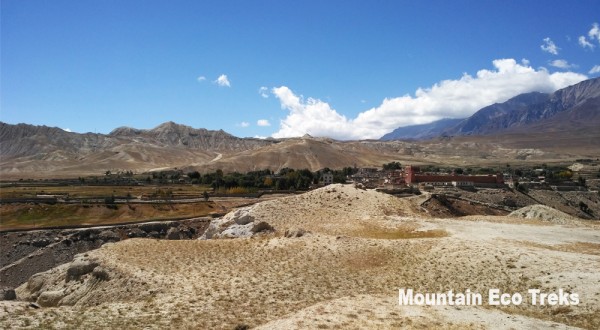
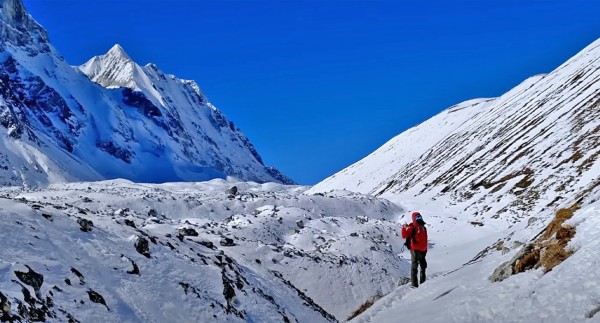
- Exploring Manang, a high-altitude Tibetan-influenced village surrounded by glaciers
- Visiting Muktinath Temple, sacred to both Hindus and Buddhists
- Walking through the world's deepest gorge, the Kali Gandaki Valley
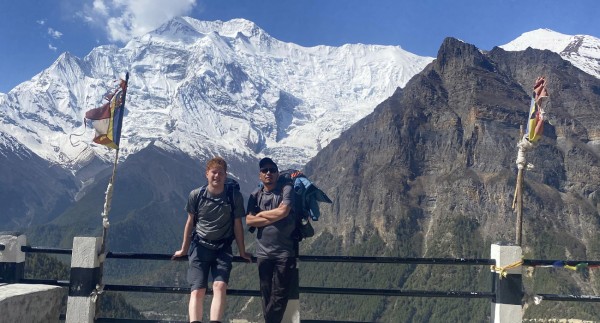
- Views of Annapurna II, III, IV, Gangapurna, Tilicho Peak, and Dhaulagiri
- Rich Gurung and Manangi cultural villages along the trail
- Optional side trip to Tilicho Lake, one of the highest lakes in the world
Short Annapurna Circuit Trek Itinerary
Day 1: Drive to Chame
Elevation: 2,650 m | Distance: 240–250 km | Time: 10–11 hrs
Your trek begins with a long but scenic drive from Kathmandu (or Pokhara) to Chame, the headquarters of the Manang district. The road winds along the Trishuli and Marsyangdi river valleys, passing terraced hillsides, waterfalls, and small roadside villages before climbing steadily into the Annapurna Conservation Area. As you gain elevation, the landscape shifts from subtropical lowlands to pine and fir forest. By the time you reach Chame, you're already surrounded by soaring peaks, with your first real views of Annapurna II and Lamjung Himal marking the start of the high mountains. Overnight in a teahouse in Chame, where you'll also need to check in your ACAP and TIMS permits at the local checkpoint.
Day 2: Trek to Upper Pisang
Elevation: 3,300 m | Distance: 13–14 km | Time: 5–6 hrs
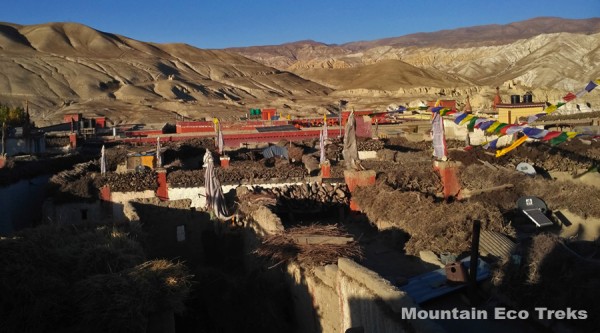
Leaving Chame, the trail follows the Marsyangdi River through pine forest and past dramatic rock walls, including a striking curved cliff face near Bhratang that trekkers often photograph. The path gradually opens up as the valley widens, with your first clear views of the striking Paungda Danda rock face — a massive curved granite slab sacred in local Buddhist tradition. The final stretch climbs to Upper Pisang, a traditional Tibetan-style village with flat-roofed stone houses, prayer wheels, and sweeping views of Annapurna II, III, and IV. This is a good spot to slow down and start noticing the effects of altitude.
Day 3: Trek to Manang (via Upper Route)
Elevation: 3,540 m | Distance: 16–17 km | Time: 6–7 hrs
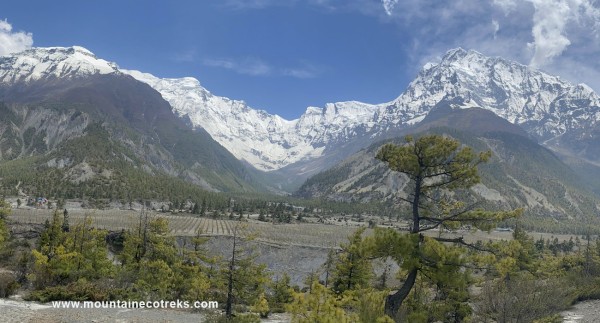
From Upper Pisang, trekkers typically take the upper route through Ghyaru and Ngawal rather than the lower, more direct trail — it's slightly longer and involves more elevation gain, but it offers far better mountain panoramas and better acclimatization value. The trail climbs through juniper scrub and past traditional Gurung and Manangi villages clinging to the hillside, with the Annapurna and Gangapurna massifs dominating the skyline. Descending into the Manang valley, the landscape turns increasingly arid and high-desert in character. Manang village itself is a lively hub for trekkers, with bakeries, gear shops, and views straight up at Gangapurna Glacier.
Day 4: Acclimatization Day in Manang
Elevation: 3,540 m | Distance: 4–8 km (optional) | Time: 3–4 hrs
A crucial rest day built in to help your body adjust before pushing higher toward Thorong La. Rather than staying sedentary, most trekkers do a short, optional hike to aid acclimatization — popular options include the climb to Gangapurna Lake and viewpoint, or the steeper trek up to Ice Lake (around 4,600 m) for those wanting a stronger acclimatization hike. The "climb high, sleep low" principle applies here: gaining altitude during the day and returning to sleep in Manang helps your body adapt to thinner air. The rest of the day can be spent exploring Manang's monasteries, checking gear, or simply resting — this is also a good opportunity to see the free acclimatization talk given by the Himalayan Rescue Association clinic in season.
Day 5: Trek to Yak Kharka
Elevation: 4,050–4,080 m | Distance: 9–10 km | Time: 4–5 hrs
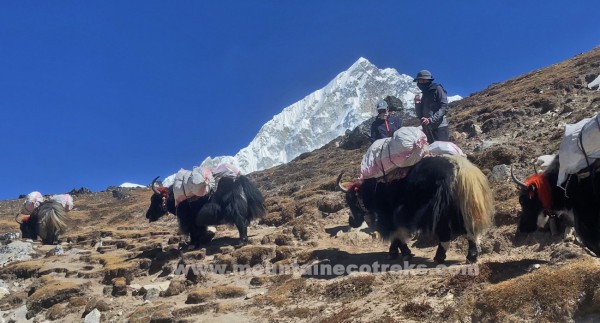
Leaving the comparative comforts of Manang behind, the trail climbs steadily out of the valley through increasingly sparse, high-alpine terrain. Trees give way to scrub and open grassland, and the air noticeably thins. The route passes small settlements and mani walls, with good chances of spotting blue sheep grazing on the surrounding slopes — hence the name "Yak Kharka," meaning yak pasture. This is a shorter walking day by design, allowing your body more time to acclimatize before the bigger push toward High Camp.
Day 6: Trek to Thorong High Camp
Elevation: 4,880–4,925 m | Distance: 7–8 km | Time: 4–6 hrs
The trail climbs steadily from Yak Kharka through Thorong Phedi (the "foot of the pass") and then up a steep switchback section to High Camp. This is the highest overnight stop before the pass crossing, and the thin air makes even a relatively short distance feel demanding. Many trekkers choose to stop at Thorong Phedi instead of pushing on to High Camp, depending on how they're acclimatizing — your guide will help make that call. Whichever stop you choose, expect an early, cold night, as most trekkers rest early to prepare for the pre-dawn start required the next morning.
Day 7: Trek from High Camp to Muktinath via Thorong La Pass
Elevation: 5,416 m | Distance: Approx. 15–16 km | Time: 7–9 hrs
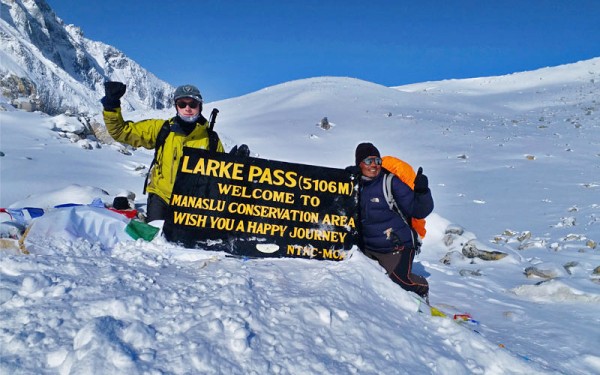
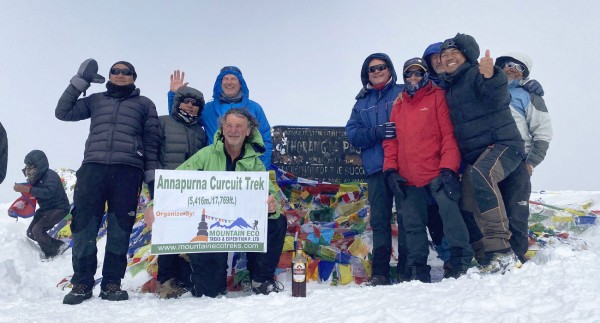
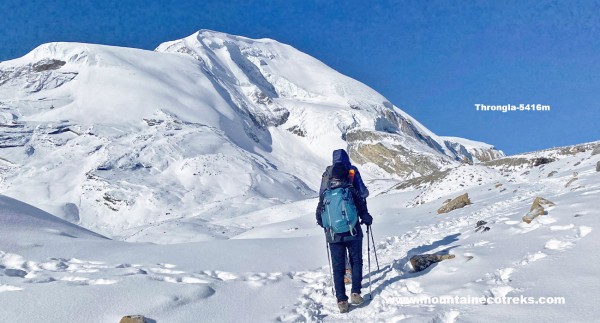
The most demanding and rewarding day of the entire trek. Trekkers typically start in darkness, around 4:00–5:00 AM, to reach the pass before the strong winds pick up later in the morning. The climb to Thorong La is steep, cold, and slow-going due to the altitude, but the payoff is immense: standing at 5,416 meters, surrounded by prayer flags and panoramic Himalayan views, is a genuine bucket-list moment for most trekkers. The descent on the western side is long and knee-testing, dropping over 1,600 meters into the dry, high-desert landscape of Mustang before reaching Muktinath — a sacred pilgrimage site for both Hindus and Buddhists, home to the famous 108 water spouts and the eternal flame temple.
Day 8: Fly to Pokhara
Elevation: 820 m | Distance: ~160 km (air route) | Time: 20–25 mins
After the intensity of the pass crossing, most trekkers transfer by road or short flight from Jomsom to Pokhara (flights typically depart from Jomsom, reached via a short drive or trek from Muktinath). The short flight itself is a highlight — a 20–25 minute scenic hop offering aerial views of the Annapurna and Dhaulagiri ranges before descending into the lakeside city of Pokhara. Landing at 820 meters, the change in air quality, temperature, and oxygen levels is immediate and welcome. The rest of the day is free to relax by Phewa Lake, enjoy a proper hot shower, and reflect on the trek over a well-earned meal.
For the complete itinerary with all inclusions, permit details, and current departure dates, visit the Short Annapurna Circuit Trek page.
4. Cost Breakdown 2026/2027
Typical costs for the Short Annapurna Circuit Trek include:
| Expense | Estimated Cost (USD) |
|---|---|
| Package trek cost (guide, permits, transport) | $650 – $1,100 |
| Teahouse accommodation (if not included) | $5 – $15/night |
| Meals (if not included) | $20 – $30/day |
| ACAP + TIMS permits | $30 – $40 total |
| Jeep (Besisahar–Chame/Koto) | $20 – $40 |
| Domestic flight (Jomsom–Pokhara) | $100 – $150 |
| Travel insurance (with high-altitude coverage) | Varies by provider |
Costs vary depending on group size, season, and whether you book an all-inclusive package. A fully guided package typically bundles permits, accommodation, meals, guide, and transport into one price, removing the guesswork. Compare inclusions and current rates on the trip page.
Permits Required for Short Annapurna Circuit Trek
Two permits are mandatory for the Short Annapurna Circuit Trek:
1. ACAP (Annapurna Conservation Area Permit) — required since the entire route falls within the Annapurna Conservation Area
2. TIMS Card (Trekkers' Information Management System) — required for trekker safety and registration
Both permits can be arranged in Kathmandu or Pokhara, or handled for you as part of a guided package. Independent trekkers should note that as of recent years, solo trekking without a licensed guide is restricted in most Nepal trekking regions, including Annapurna — booking through a registered agency ensures compliance.
Best Season to Trek Short Annapurna Circuit Trek
Autumn (September–November) and Spring (March–May) are the best seasons for the Short Annapurna Circuit Trek, offering stable weather, clear mountain views, and safer pass crossings.
- Autumn: Crisp air, excellent visibility, peak trekking season — expect busier teahouses
- Spring: Rhododendron blooms in the lower valleys, warmer days, good visibility
- Winter (December–February): Possible but colder, with a real risk of snow closing Thorong La Pass — only recommended for experienced, well-equipped trekkers
- Monsoon (June–August): Not recommended — trails are slippery, visibility is poor, and leeches are common at lower elevations
Difficulty Level & Fitness Requirements
The Short Annapurna Circuit Trek is rated moderate to challenging, primarily due to the altitude gain and the Thorong La Pass crossing. Key factors:
- Daily walking of 5–7 hours on variable terrain
- Altitude sickness risk above 3,500m — proper acclimatization is essential
- No technical climbing skills required, but good baseline fitness matters
- Prior trekking experience is helpful but not mandatory
- A licensed guide is strongly recommended for pass-day route-finding and altitude monitoring
Basic training (hiking, stair climbing, cardio) in the weeks before departure is recommended for anyone without recent high-altitude experience.
Short Annapurna Circuit Trek Accommodation & Meals
Teahouse lodges line the entire route, offering:
- Twin-share rooms (shared bathrooms at higher elevations, attached bathrooms lower down)
- Hearty meals: dal bhat, noodle soups, momos, pancakes, and porridge
- Hot showers and Wi-Fi (for a small fee, less reliable above Manang)
- Warm dining halls that double as social hubs each evening
Food and lodging costs rise with altitude due to the logistics of supply. Many guided packages include full board (breakfast, lunch, dinner) to simplify budgeting.
Packing List Essentials for Short Annapurna Circuit Trek
- Layered clothing (base, insulating, waterproof shell)
- Down jacket rated for sub-zero temperatures (essential for Thorong La Pass)
- Sturdy, broken-in trekking boots
- Trekking poles (highly recommended for the pass descent)
- Sleeping bag rated to -15°C or colder
- Sun protection (glacier-strength sunscreen, UV sunglasses)
- Water purification tablets or a filter
- First-aid kit, including Diamox (consult your doctor beforehand)
- Headlamp, power bank, and universal adapter
Short Annapurna Circuit Trek: FAQs
1. How long is the Short Annapurna Circuit Trek?
The Short Annapurna Circuit Trek typically takes 10–14 days from start to finish, including arrival and departure days in Kathmandu or Pokhara. Actual trekking days on the trail are around 7–8, thanks to jeep access to Chame and a return flight from Jomsom, which cut out the longer lower-valley walking sections of the classic route.
2. How is this different from the full Annapurna Circuit Trek?
The full Annapurna Circuit traditionally starts from Besisahar and takes 18–21 days on foot. The short version uses improved road access to drive directly to Chame (or Koto), skipping the lower, less scenic river-valley walking days while keeping every major highlight — Manang, Thorong La Pass, and Muktinath — fully intact.
3. Is the Short Annapurna Circuit Trek hard for beginners?
It's rated moderate to challenging, mainly due to the altitude gain and the Thorong La Pass crossing at 5,416m. It doesn't require technical climbing skills, but reasonable fitness, a positive mindset, and proper acclimatization are essential. Many first-time high-altitude trekkers complete it successfully with a good guide and a sensible pace.
4. What is the highest point on this trek?
The highest point is Thorong La Pass at 5,416 meters, crossed on Day 7 of most itineraries. It's one of the highest trekking passes in the world and the main physical and technical highlight of the route.
5. How much does the Short Annapurna Circuit Trek cost?
Package prices generally range from $650–$1,100 USD, depending on group size, season, and whether accommodation and meals are fully included. This typically covers permits, a licensed guide, jeep transport to Chame, and a flight from Jomsom to Pokhara. Full pricing and inclusions are listed on the trip page.
6. What permits do I need for this trek?
Two permits are required: the ACAP (Annapurna Conservation Area Permit) and the TIMS card (Trekkers' Information Management System). Both are mandatory and can be arranged in advance as part of a guided package, saving you a trip to the permit office in Kathmandu or Pokhara.
7. When is the best time to do the Short Annapurna Circuit Trek?
Autumn (September–November) and spring (March–May) are the best seasons, offering stable weather and clear mountain views. Autumn tends to be busier with peak-season trekkers, while spring brings rhododendron blooms to the lower valleys. Winter trekking is possible but colder, with a higher risk of the pass closing due to snow.
8. Do I need a guide to do this trek?
Yes — a licensed guide is required under current Nepal trekking regulations for the Annapurna region, and is especially valuable on pass day for route-finding, weather judgment, and altitude sickness monitoring. Booking through a registered agency ensures your guide, permits, and logistics are properly arranged.
9. What should I pack for the Thorong La Pass crossing?
Essentials include a down jacket rated for sub-zero temperatures, a sleeping bag rated to at least -15°C, sturdy broken-in trekking boots, trekking poles, sun protection, and a headlamp for the early pre-dawn start. A full packing checklist is included in the complete trek guide.
10. How do I book the Short Annapurna Circuit Trek?
You can view the full day-by-day itinerary, current 2026/2027 departure dates, pricing, and inclusions, and book directly on the Short Annapurna Circuit Trek trip page. Group and private departures are both available, with early booking recommended for peak season.
How to Book Short Annapurna Circuit Trek
Ready to trek the Short Annapurna Circuit? Whether you're chasing the thrill of Thorong La Pass, the culture of Manang, or the sacred grounds of Muktinath, this shortened itinerary delivers the full Annapurna Circuit experience without the extended time commitment.
Booking early is especially worthwhile for this trek. Because the itinerary is compressed into 10–14 days, teahouse space along key stops like Manang, Yak Kharka, and High Camp can fill quickly during the autumn and spring peak seasons — securing your spot and permits in advance means one less thing to worry about once you're on the trail. A guided package also takes care of the details that trip up first-timers most often: ACAP and TIMS permit processing, jeep transport to Chame, a licensed guide who can read the conditions on pass day, and accommodation booked ahead at altitude, where availability can be unpredictable.
Group departures are typically available on fixed 2026/2027 dates throughout the spring (March–May) and autumn (September–November) seasons, though private and custom-date departures can usually be arranged for solo trekkers, couples, or small groups who want more flexibility on timing. Pricing generally depends on group size, season, and whether meals and accommodation are fully included — all of which are laid out clearly on the trip page so you can compare what's included before booking.
Whether this is your first high-altitude trek or your return trip to the Annapurna region, the team can help tailor the itinerary to your fitness level, schedule, and acclimatization needs.
View the complete itinerary, current 2026/2027 departure dates, inclusions, and pricing, or book directly on the Short Annapurna Circuit Trek trip page.
Recent From Blog

19th Apr, 2019


23rd Dec, 2018

11th Jan, 2024

14th Jan, 2024

29th Jan, 2025

11th Feb, 2025

18th Feb, 2025

25th Feb, 2025

5th Apr, 2025
23rd Dec, 2025
9th May, 2026
12th Jul, 2026

13th Aug, 2026
13th Aug, 2026
13th Aug, 2026

16th Aug, 2026
20th Aug, 2026